About Kronoberg Region
Region Kronoberg is responsible for healthcare, public transport and regional development in Kronoberg County. The organization has approximately 6,500 employees and works with the goal of creating vitality throughout the county. The region's operations include both direct service to residents and strategic support functions - where the staff's work plays an important role in steering, monitoring and coordination.
Marléne Johnsson works as a business developer in Region Kronoberg's staff, where she is also a project manager, acting project owner and project specialist for Easit GO. With extensive experience in both governance, system administration and platform design, she has been a key person in the work of creating a sustainable and usable structure for the staff's digital tools.
The Easit GO platform began to be used within the Kronoberg Region in 2014. Three years later, in 2017, the staff function began using the same platform – initially for the follow-up function that works with report production, but the use has since grown to include a number of central processes.
A system that has grown with the business
The first area of use for Easit GO within the staff was to support the central decision support function. The function handles cases regarding follow-up solutions from management, operations and analysis functions. The transition from, among other things, functional mailboxes to a systematic case flow made a big difference.
“It’s possible to do things much more visually and structured. It’s not in someone’s individual folder or mailbox but is open to those who need it,” says Marléne.
Today, GO is used for much more than just follow-up. The platform is central to several workflows within the staff, including:
- Authorization management, including for roles in the financial system
- Ordering object, free and project codes linked to the financial system
- Handling of cases related to medical records and requests from authorities and private individuals
- Procurement matters and purchasing assignments
- Automate RPA proposal evaluation
- Coordination of internal moves
- Cases linked to the document and case system and the deviation system
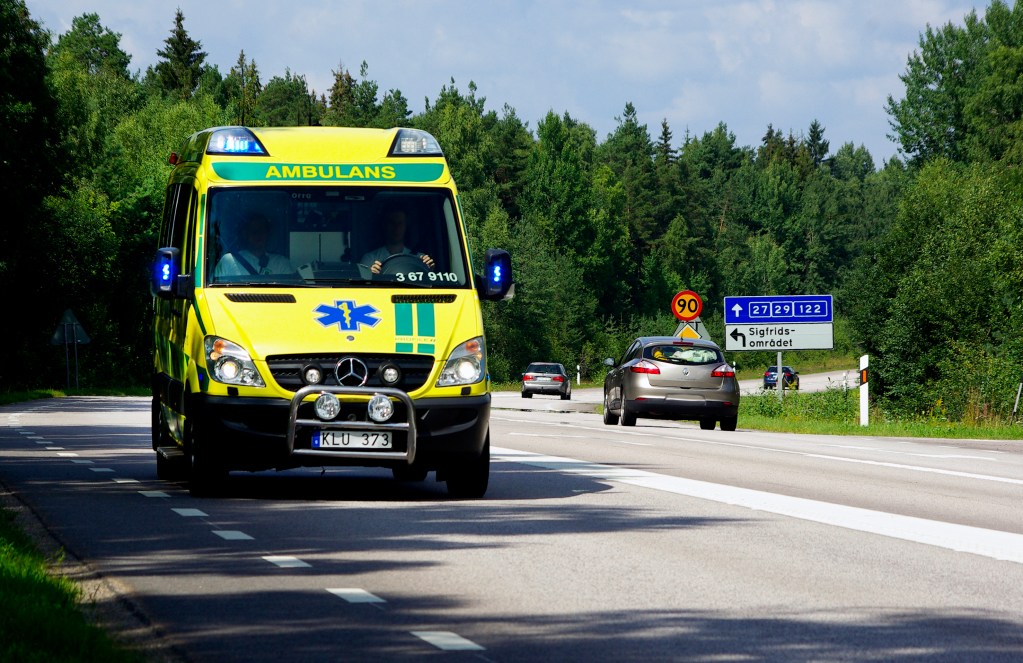
(photo: Kronoberg Region)
Support for prioritization and decision-making
A concrete example of the benefit is the solution used to manage automation proposals. By entering cases into Easit GO and evaluating them based on several parameters – such as time savings – a decision basis is generated that is used by those responsible to prioritize which initiatives should be implemented.
“It’s actually a decision support system, and it’s neat. It helps us prioritize and make decisions on the right basis,” says Marléne.
Structure, responsibility and self-sufficiency
The staff function has built a clear management organization where each module in GO has a responsible person who owns the method, working methods and user support. Marléne is responsible for the platform itself and provides support where needed, but a lot happens outside the business.
“We have many different types of cases in GO, and it wouldn’t have been possible to handle everything without having a structure. Our model is based on different parts of the organization taking responsibility – and it works.”
Daily changes and simpler development work are done internally, reducing dependence on consultants. More advanced changes are handled when needed with support from Easit.
“We are not dependent on consultants in our daily lives. It has been a conscious choice and an important success factor for us,” says Marléne.
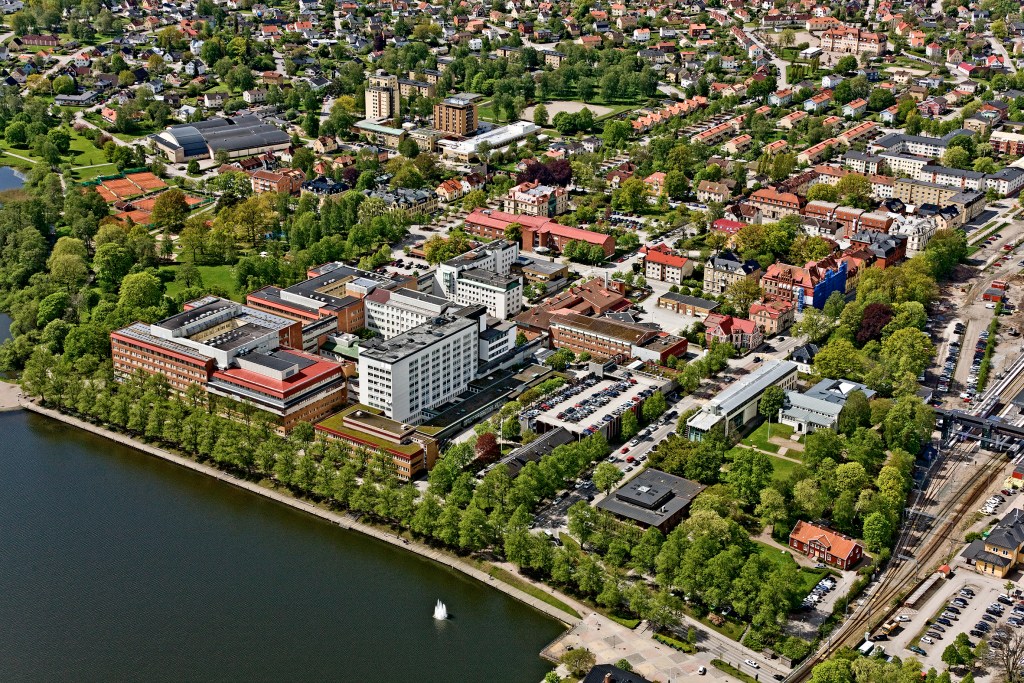
(photo: Kronoberg Region)
Increased transparency – less dependence on individuals
By digitizing processes in GO, the staff has gained better control over cases and reduced the need for, for example, functional mailboxes and Excel files.
“It’s about transparency. It’s easier to see who does what, and it’s no longer tied to a person. That’s a big win,” explains Marléne.
A clear application is the handling of medical record disclosure – where both private individuals, authorities and insurance companies can request information from the region's medical record system. This is a process that is subject to strict requirements for traceability, confidentiality and documentation.
In Easit GO, the entire process is handled as a case, with clear division of responsibilities, structured documentation and traceable history. This not only means legally secure and efficient processing, but also ensures that the region meets the requirements for preservation and record-keeping in a way that is sustainable over time.
“For us, GO has also become a support in processes where formal requirements apply, such as when handling medical record extracts. It becomes safer, more traceable – and we can work the same way regardless of who is processing,” says Marléne.
Future and opportunities
The next step involves reviewing support for investments in order to develop it – creating better workflows, synchronizations and management views, so that more people can work more effectively without being dependent on parallel solutions.
“We handle all of the region's investment requests outside of budget. We see great potential in simplifying and making the processes even more visible via GO.”
Summary
Region Kronoberg's staff function shows how a flexible platform like Easit GO can function as a sustainable internal support for structure, transparency and efficiency - without sacrificing requirements for security, traceability and methodology. Through long-term collaboration where both technology and administration have grown step by step, the region has built a digital way of working that is both self-sustaining and adaptable.
Being able to follow this journey from the start – and collaborating with Marléne, who with her structural thinking, her operational roots and her drive built so much of what exists in GO today – has been both inspiring and developing.

Henrik Traveler
Commercial Product Manager
henrik.resare@easit.com
+46 70 249 36 06